Best Food Storage Containers for Freshness and Organization
The right storage system keeps produce crisp, leftovers usable, and pantry staples visible — cutting food waste and grocery bills at the same time.
 By MealWise TeamJuly 5, 20266 min read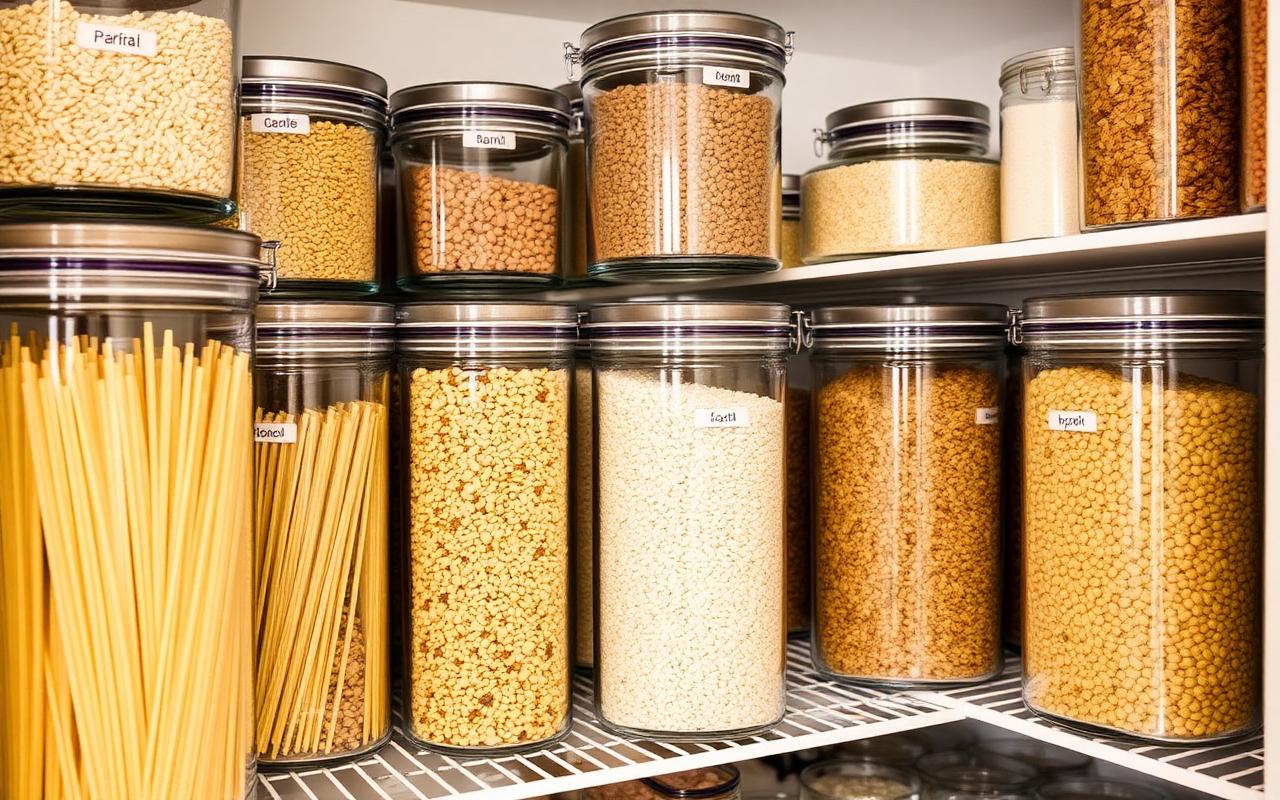
The average American household throws out roughly 30% of the food it buys. A better storage system won't fix everything, but it will quietly cut waste, save money, and make the fridge feel calmer. Here's how to build one.
The three zones every kitchen needs
1. The fridge zone
Clear, stackable containers with tight seals extend the life of leftovers by 2–3 days compared to plates covered in foil. Group like with like — proteins on one shelf, ready-to-eat snacks at eye level, produce in the drawers.
2. The freezer zone
Freezer-safe containers with flat tops and bottoms stack neatly and label clearly. Squared-off silicone bags and stackable rectangles beat mismatched round tubs every time.
3. The pantry zone
Airtight canisters for flour, sugar, rice, oats, pasta, and snacks keep pests out, keep food fresh, and let you see what you actually have — which prevents the classic 'buy a third bag of rice' grocery run.
What to look for
- Truly airtight seals (silicone gaskets, latching lids)
- Rectangular shapes that use shelf space efficiently
- Clear sides so you can see what's inside without opening
- Freezer-, microwave-, and dishwasher-safe across the set
- Matching sizes so lids and bases stay interchangeable
Produce: the special case
Fresh produce is where storage pays off fastest. A few small changes can double the shelf life of the most-wasted items:
- Leafy greens: rinse, dry thoroughly, store in a container lined with a paper towel
- Berries: don't wash until you eat; store in a ventilated container
- Herbs: trim stems and stand upright in a small jar of water, loosely covered
- Onions and potatoes: store separately in a cool, dark place — never together
Organizing the whole system
- Empty and wipe down one zone per week — fridge, freezer, or pantry
- Transfer opened dry goods into clear canisters immediately
- Label everything freezer-bound with contents and date
- Keep a 'eat first' shelf in the fridge for anything close to expiring
- Do a 5-minute inventory before your weekly grocery run
Conclusion
Great food storage isn't about buying more containers — it's about matching container to task, keeping things visible, and building small habits that stretch the life of what you already bought. Start with one zone, get it right, then move on.