Fresh vs. Frozen vs. Canned Foods: Which Is Healthiest?
The 'fresh is always best' rule is one of the most misleading ideas in the grocery store. Here's what the research actually says — and how to shop smarter.
 By MealWise TeamJuly 5, 20266 min read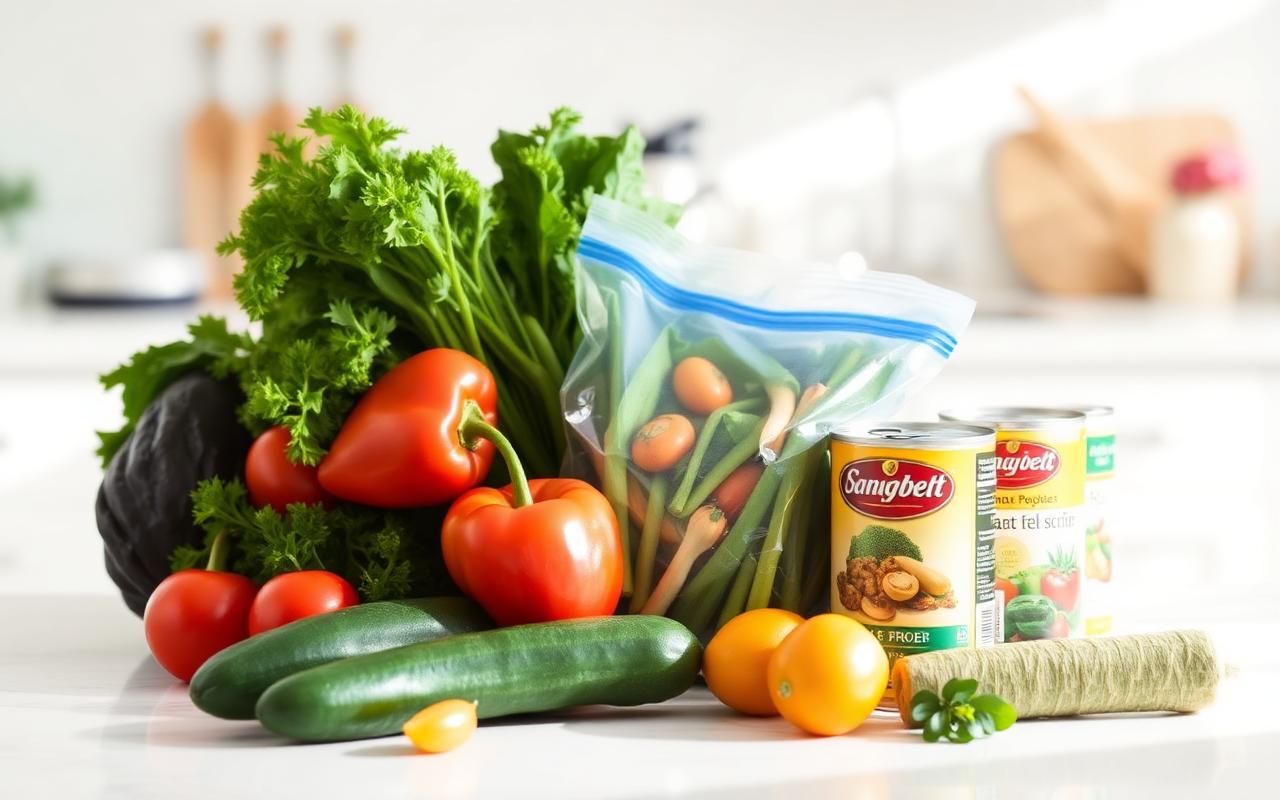
Walk any grocery store and you'll see the message everywhere: fresh is best, frozen is a compromise, canned is a last resort. The research tells a different story. For most families, the smartest grocery cart uses all three — strategically.
The nutrition myth
Multiple peer-reviewed studies have compared fresh, frozen, and canned versions of the same foods. The finding: nutritional differences are usually small, and frozen and canned sometimes come out ahead of 'fresh' produce that's traveled for a week to reach the store.
- Frozen produce is typically flash-frozen within hours of harvest, locking in vitamins
- Fresh produce loses 15–55% of some vitamins in the first week after harvest
- Canned foods retain most minerals and fiber; some vitamins drop, others (like lycopene in tomatoes) actually increase
When fresh wins
- Delicate fruit and vegetables you'll eat within 2–3 days (berries, greens, herbs)
- In-season, locally grown produce
- Foods you'll eat raw for texture (apples, cucumbers, salad greens)
When frozen wins
- Out-of-season fruits and vegetables (strawberries in January, peas year-round)
- Anything you'll cook (frozen broccoli, spinach, corn, and stir-fry blends)
- Berries and mango for smoothies
- Fish — most 'fresh' fish at the counter was previously frozen anyway
When canned wins
- Beans, chickpeas, and lentils (huge time saver, near-identical nutrition to dried)
- Tomatoes for cooking (crushed, diced, whole)
- Tuna, salmon, and sardines (affordable protein with shelf life)
- Pumpkin, artichoke hearts, and other prep-heavy vegetables
What to watch on labels
- Sodium — choose low-sodium or rinse canned beans and vegetables (cuts sodium by up to 40%)
- Added sugar — pick fruit canned in water or its own juice, never syrup
- Ingredient count — the shorter the list, the better
- BPA-free cans if that's a priority for your household
Cost and waste
Frozen and canned foods have functionally zero waste — they last months or years. Fresh produce, on average, contributes to 40% of household food waste. When you factor spoilage into cost, canned beans and frozen vegetables usually beat 'fresh' by a wide margin.
Conclusion
Fresh, frozen, and canned aren't a hierarchy — they're a toolkit. Buy fresh for what you'll eat this week, frozen for what you'll cook, and canned for what you'll stock. The healthiest kitchen isn't the one with the most fresh produce; it's the one where nothing gets wasted.