How to Reduce Food Waste and Save Money
The average family throws out roughly $1,500 of food a year. Here's how to cut that number in half in a month — without any fancy tools or extra shopping trips.
 By MealWise TeamJuly 5, 20266 min read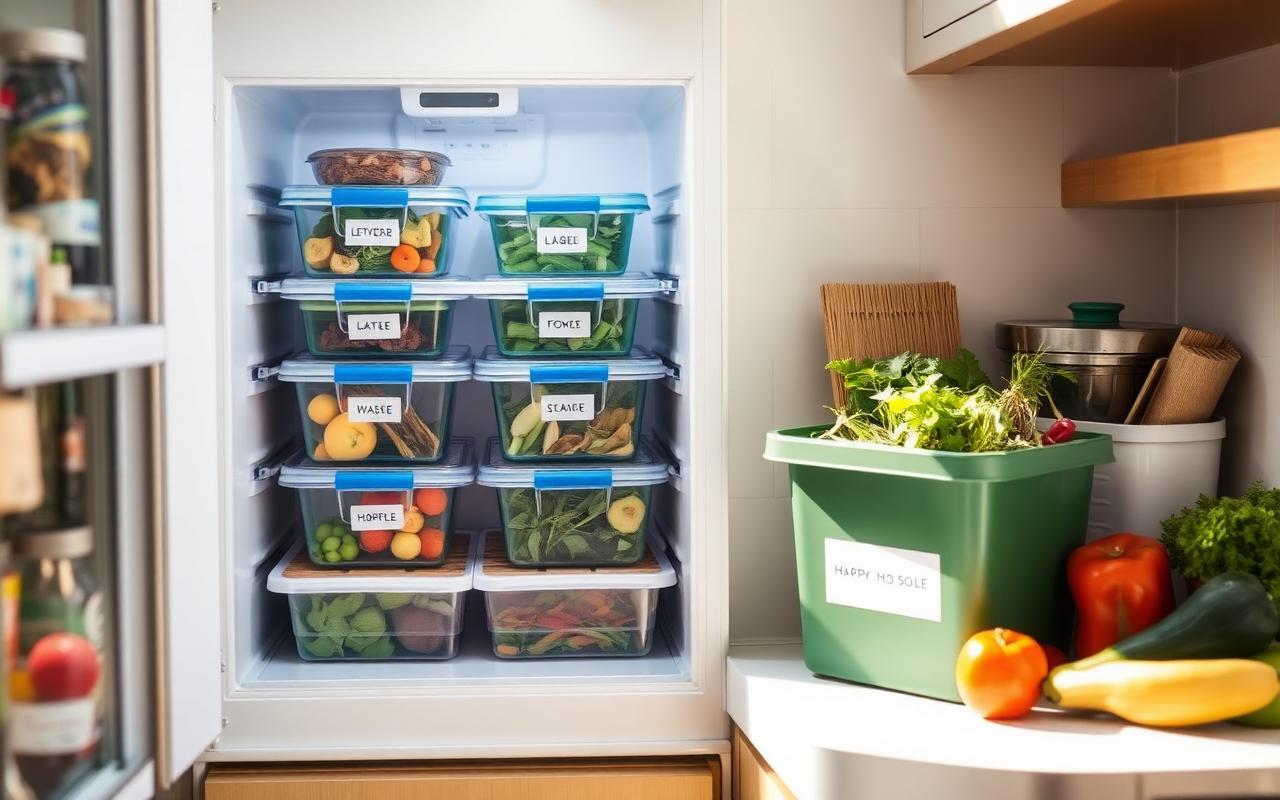
The average U.S. household wastes roughly 30% of the food it buys — about $1,500 a year for a family of four. That's not a moral failing; it's a system problem. Fix the system and the savings show up automatically.
The five biggest sources of waste
- Overbuying produce that spoils before it's eaten
- Forgotten leftovers pushed to the back of the fridge
- Ingredients bought for one recipe and never used again
- Bread, milk, and dairy that expire between shopping trips
- Bulk buys of things the household doesn't actually eat that fast
The four habits that cut waste in half
1. Plan before you buy
A rough meal plan for the week — even just five dinners — is the single highest-leverage habit for reducing waste. It ensures every fresh item has a purpose before it hits the cart.
2. Shop your fridge first
Before you plan or buy, spend three minutes looking at what you already have. Build a meal or two around it. That alone eliminates most 'oh no, this went bad' moments.
3. Create an 'eat first' shelf
Designate one shelf or bin in the fridge for anything within 2 days of spoiling. It's a visible, no-effort reminder — and it turns leftovers into the default choice.
4. Freeze the buffer
If you can't eat it in the next 3 days, freeze it. Bread, cheese, cooked grains, chopped herbs, ripe bananas, and even milk all freeze beautifully in the right container.
Storage upgrades that pay off
- Airtight containers for opened dry goods
- Ventilated containers for berries and greens
- Herbs stored stems-in-water like flowers
- Bread frozen sliced, toasted straight from frozen
- A dedicated 'use soon' bin in the fridge
Shopping strategies that reduce waste
- Buy delicate produce (berries, greens) in smaller quantities
- Buy sturdy produce (root vegetables, cabbage, citrus) for later in the week
- Skip warehouse-club produce unless you have a real plan for all of it
- Choose frozen over fresh for anything you'll cook
The savings, quantified
Households that adopt these habits typically report a 30–50% drop in food waste within 4–8 weeks — and $50–125 back in the monthly grocery budget without cooking any less.
Conclusion
Reducing food waste isn't about deprivation or perfection — it's about a few small habits that compound. Plan the week, shop what's needed, store food correctly, and cook one cleanout meal every week. Your fridge, your wallet, and your future planet-selves will thank you.