Glass vs. Plastic Meal Prep Containers: Which Should You Choose?
Glass, plastic, or both? A clear-eyed comparison of safety, durability, and cost — so you can build a set that fits how your household actually eats.
 By MealWise TeamJuly 5, 20266 min read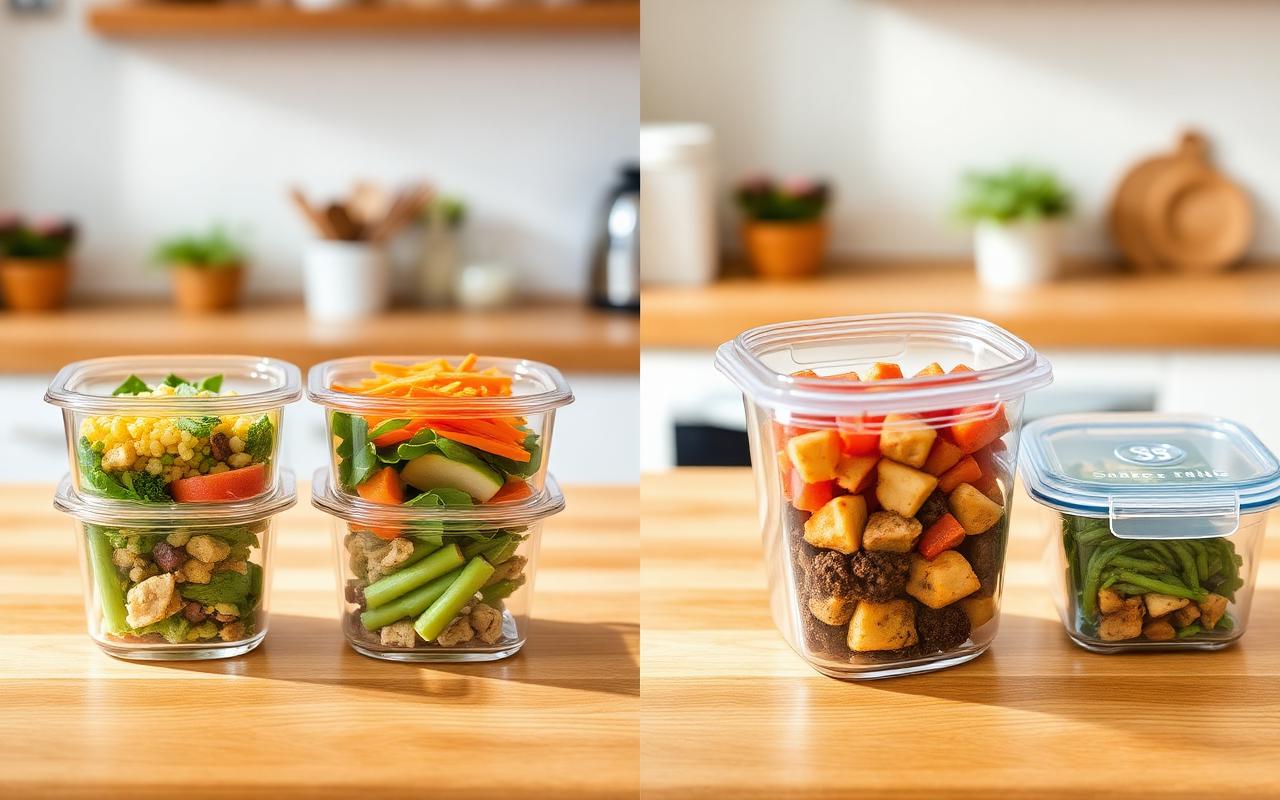
The glass-versus-plastic debate isn't really about materials — it's about matching a container to a job. Reheating leftovers, packing a lunch, freezing a batch of chili, and storing dry pantry staples all have different winners. This guide breaks down where each material shines so you can stop rebuying containers every six months.
The quick verdict
- Glass: best for reheating, long-term fridge storage, and oven-to-table meals
- Plastic: best for lunchboxes, travel, freezer stacks, and kids
- Ideal setup: about 60% glass, 40% BPA-free plastic
Safety
Glass is inert — it doesn't leach chemicals, absorb odors, or stain. Modern BPA-free plastics are safe for cold storage and short microwave reheating, but plastics can degrade over time, especially with repeated heat cycles. If you reheat daily, glass is the safer long-term choice.
Durability
Tempered glass survives thousands of dishwasher cycles but can shatter if dropped on a hard floor. Plastic won't break, but lids wear out, latches loosen, and colors stain from tomato sauce and turmeric within months. Neither is 'more durable' in the abstract — it depends on what will happen to it.
Weight and portability
A stack of five glass containers full of food can weigh eight pounds. For adult lunches carried in a bag, that's fine. For a first-grader's backpack, it's not. Plastic and stainless steel are the practical choice for kid lunches and on-the-go meals.
Cost over time
Good glass containers cost 2–3x more upfront but often last 5–10 years. Cheap plastic sets can feel like a bargain and end up in landfill within a year. When you divide cost by expected years of use, glass usually wins — but only if you don't drop it.
The best-of-both setup
- 6–8 medium glass containers (32 oz) for adult lunches and reheating
- 2–4 large glass containers (64 oz) for batch cooking and salads
- 6–8 BPA-free plastic or stainless bento containers for kids and travel
- 4–6 small plastic or silicone containers for dressings, sauces, and snacks
Conclusion
You don't have to pick a side. The households that stick with meal prep long-term almost always mix glass and plastic — glass for the adults' reheated meals and stored leftovers, plastic for the lunches, travel, and freezer. Buy fewer, better containers in the sizes you actually use, and replace worn plastics on a schedule.