GLP-1 Medications and Meal Planning: How Smart Nutrition Locks In Long-Term Results
GLP-1s like semaglutide work — but smart nutrition prevents muscle loss, rebound weight, and side effects. Here's how meal planning closes the gap.
 By MealWise TeamApril 17, 20267 min read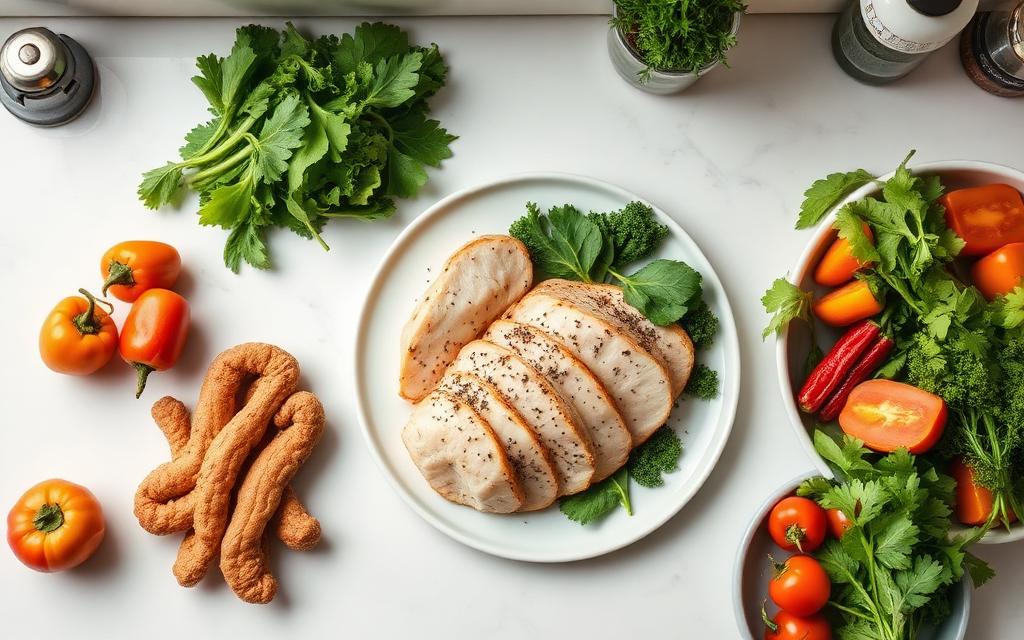
GLP-1 receptor agonists (semaglutide, tirzepatide, liraglutide) have transformed weight management — clinical trials show 15–22% body-weight loss over 68 weeks. But the medication is only half the equation. What you eat while on a GLP-1 determines whether the weight you lose is fat or muscle, and whether the loss holds after you stop.
The protein problem
GLP-1s suppress appetite so aggressively that most users under-eat protein by 30–50%. A 2024 study in Diabetes, Obesity and Metabolism found that up to 40% of weight lost on semaglutide without nutritional support was lean mass. The fix is straightforward: 1.2–1.6 g of protein per kg of body weight, distributed across 3 meals — but it requires planning, because hunger won't drive you there.
Side effects are mostly a food problem
Nausea, reflux, and constipation — the top three reasons people quit GLP-1s — correlate strongly with meal composition. High-fat, high-volume, or fried meals worsen delayed gastric emptying. Smaller, protein-forward, fiber-balanced plates dramatically reduce GI side effects. A meal plan tuned for GLP-1 users isn't a luxury; it's the difference between staying on therapy and dropping out at month three.
Preventing the rebound
The STEP-1 extension trial showed participants regained two-thirds of lost weight within a year of stopping semaglutide. The subset who maintained structured meal plans and resistance training kept 80%+ of their loss. Medication creates the window; nutrition habits are what hold it open.
How MealPlan helps
Our smart meal planner generates GLP-1-aware plans: protein-prioritized, lower-volume, fiber-forward, and split into smaller portions that respect early satiety. The food journal flags protein gaps before they cost you muscle, and the weight tracker separates fat trend from water-weight noise — critical when scale movement slows in months 4–6. Whether you're starting, plateauing, or tapering off, the plan adapts week by week.
Case Study: Elena, 46 — 21 kg down on tirzepatide, 14 months in
Result: Preserved lean mass · zero GI side-effect days since week 6 · off medication, weight stable
Elena started tirzepatide with persistent nausea and was losing weight 'too fast in the wrong way.' After switching to MealPlan's GLP-1 protocol — 110g protein/day across three smaller meals — her side effects resolved within two weeks. DEXA scans showed she preserved 96% of her lean mass through the loss phase. She tapered off the medication at month 12 and has maintained her weight for 5 months on the plan alone.